



The Different Types of Garage Doors in Australia: A Complete Guide for Homeowners
TLDR:
Garage doors aren’t just practical; they shape the look, convenience and security of your home. From roller garage doors to sectional garage doors, tilt garage doors, side-hinged, and sliding options, there are styles to suit every type of garage.
Why Garage Door Types Matter
Your garage door is more than just a home for your car. In fact, it’s an investment in your home’s security, functionality and curb appeal. Choosing the right garage door type is essential. It means you can comfortably park your car daily, access your home, use the space wisely and ensure this is all achieved in a cohesive look that complements your home’s exterior. With so many types of garage doors in Australia, it’s important to weigh up the pros and cons before deciding.
As Brisbane’s trusted garage door specialists, our friendly team has years of experience helping homeowners choose, install and maintain the right garage door. You can rely on us for long-lasting performance and practical advice. Let’s start by helping you choose the right garage door for your needs.
1. Roller Garage Doors (Roll-Up / Sheet Doors)
How They Work
Roller garage doors are one of the most common types of roller doors in Australia. Made from a continuous curtain of horizontal slats, the door rolls up neatly into a compact drum above the garage opening. This makes them ideal for garages with limited headroom or smaller garages.
Advantages
- Space-saving design: No need for tracks along the garage ceiling.
- Durable and reliable: A strong metal curtain provides security and long-lasting performance.
- Low maintenance: Fewer moving parts mean quieter operation and less wear.
Considerations
- Fewer design options compared to sectional garage doors.
- Limited insulation unless you opt for insulated models.
Best suited for: tight garage spaces, residential garage doors in suburban homes, and commercial applications like storage units.
2. Sectional Garage Doors (Overhead Doors)
How They Work
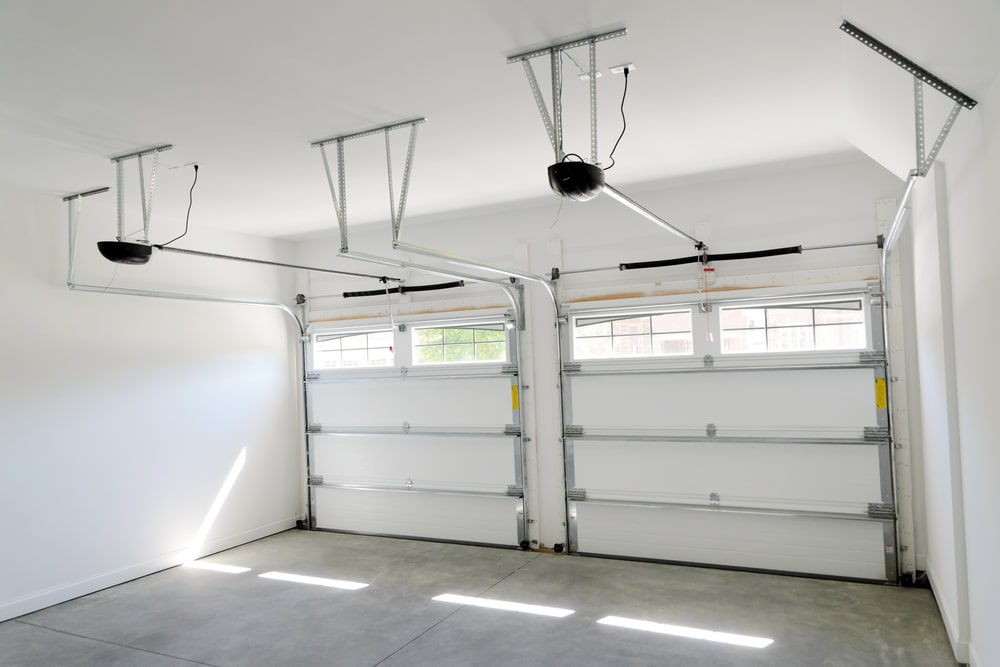
Sectional garage doors are built from multiple horizontal panels joined by hinges. When opening, the panels roll smoothly along vertical tracks before nesting under the garage ceiling.
Advantages
- Insulation & security: Great for temperature control and protecting belongings.
- Design flexibility: Wide range of colours, window inserts, and styles (including modern garage doors).
- Automation-friendly: Pairs easily with an automatic opener for quiet operation.
Considerations
- Requires enough ceiling clearance for tracks and panel roll inside.
- Slightly higher cost than basic roller garage doors.
Best suited for: homeowners wanting a stylish, secure and energy-efficient garage door with lots of design options.
3. Side-Hinged (Swing-Out) Garage Doors
How They Work
Side-hinged garage doors swing open like barn doors, mounted on hinges at the side of the opening. They don’t need overhead clearance, making them a great choice for unique garage layouts.
Advantages
- Classic design: Complements heritage or traditional homes.
- Simple operation: Easy to open manually without springs or rollers.
- Functional for workshops: Allows part of the door to open without lifting the whole door.
Considerations
- Needs driveway clearance to swing open.
- May require automation for added convenience.
Best suited for: traditional homes, workshops, or garages where ceiling storage takes priority.
4. Tilt-Up Garage Doors (Canopy & Retractable)
How They Work
Tilt garage doors are made from one solid piece that tilts upward. A canopy tilt door partially extends outside when open, while a retractable tilt door slides fully inside along tracks.
Advantages
- Simple and stylish: Vintage appeal with a solid piece design.
- Fewer moving parts: Lower risk of mechanical failure.
Considerations
- Canopy models take up driveway space when open.
- Retractable versions require more internal garage space.
Best suited for: homes looking for a retro-style garage door or smaller garages needing straightforward functionality.
5. Sliding Garage Doors
How They Work
Sliding garage doors operate by gliding sideways along tracks at the garage wall. The panel sections sit neatly against the wall, leaving the ceiling free.
Advantages
- Perfect for garages with limited ceiling space.
- Suitable for wide garage openings.
- Provides smooth operation with an automatic opener.
Considerations
- Uses up valuable side-wall space, limiting storage.
- Slightly higher installation costs due to track requirements.
Best suited for: garages with wide openings or where overhead beams make traditional doors tricky.
6. Materials & Aesthetic Styles
Materials
- Steel: Durable, low maintenance and can be finished to look like wood.
- Wood: Beautiful, traditional style but requires upkeep.
- Aluminium & Fibreglass: Lightweight and rust-resistant, often used for coastal homes.
- Vinyl: Low maintenance and resistant to dents.
Styles
- Traditional: Clean lines and simple designs for classic homes.
- Carriage House: Charming, barn-style swing open look.
- Modern garage doors: Sleek finishes, large windows and minimalist appeal.
Choosing the right material and style can elevate your home’s curb appeal and tie in beautifully with your architectural style.
Quick Comparison Table
| Type | Mechanism | Space Needs | Aesthetic Flexibility | Best Use Case |
| Roller Doors | Rolls into overhead barrel | Minimal ceiling space | Moderate | Tight ceiling spaces, both res. & commerc. |
| Sectional Doors | Hinged panels lift overhead | Needs clearance | High (insulated) | Insulated, secure garage needs |
| Side-Hinged Doors | Swing out sideward | Requires driveway | Moderate | Workshops, traditional settings |
| Tilt-Up Canopy/Retractable | Single-piece tilt upward | Varies by style | Vintage appeal | Retro aesthetic or simple ops. |
| Sliding Doors | Move sideways on wall tracks | Needs wall space | Moderate | Wide or low-ceiling garages |
Choosing the Right Garage Door
When comparing different types of garage doors, think about:
- Functionality: Do you need insulation, automation, or quiet operation?
- Space requirements: Is your garage ceiling low, or do you need full use of the side walls?
- Budget: Balance upfront costs with long-term maintenance and durability.
- Style: Choose a garage door type that suits your home’s exterior and lifestyle.
For the best results, professional installation is recommended. An expert team ensures the whole door is fitted correctly, operates smoothly, and includes a reliable weather seal for protection.
Final Thoughts
Your garage door should combine convenience, security and style. Whether you choose a roller garage door, a sleek sectional door, or a heritage-inspired side-hinged design, the right choice will enhance both your daily life and your home’s curb appeal.
If you’re ready for a new garage door or need advice on which style is right for your home, reach out to the friendly team at Brisbane Garage Door Specialists. With years of experience and a reputation for long-lasting performance, we’ll help you find the perfect fit.
Explore our garage door services here
Frequently Asked Questions
- What is the most common type of garage door in Australia?
Roller garage doors are one of the most popular options in Australia. They’re affordable, durable and perfect for garages with limited headroom. Their compact roll-up design makes them especially practical for suburban homes. - What type of garage door is best for limited ceiling space?
For garages with low ceilings, roller garage doors and side-hinged doors are excellent choices. Sliding doors are also suitable if you want to keep the ceiling completely free. - Can all garage door types be automated?
Most modern garage door types, including roller, sectional, tilt and sliding, can be fitted with an automatic opener for added convenience and security. Side-hinged doors may need specialist systems if you want automation. - How long does a garage door typically last?
With proper installation and regular maintenance, most garage doors will last 15–30 years. The lifespan depends on the material, frequency of use, and whether it’s serviced regularly to ensure smooth operation.